Intellectual property

Protecting innovation to create a greater impact.

Our growing intellectual property portfolio is designed to protect our non-genetic, non-viral recognition engineering platform and enable long-term value for patients, partners, and shareholders.

A multi-dimensional IP architecture.

27 provisional patent applications across 13+ distinct inventive embodiments, organized into four PCT filing groups.

Provisional patent applications
Inventive embodiments
IP domains
PCT filing groups

Signal layer

NeoTag™

Design, selection, and installation of immune-recognizable signals: composition, density, and persistence.

Installation layer

Atraxis™

Membrane-interactive, non-genetic delivery: vesicle fusion, anchoring, and adaptive architectures.
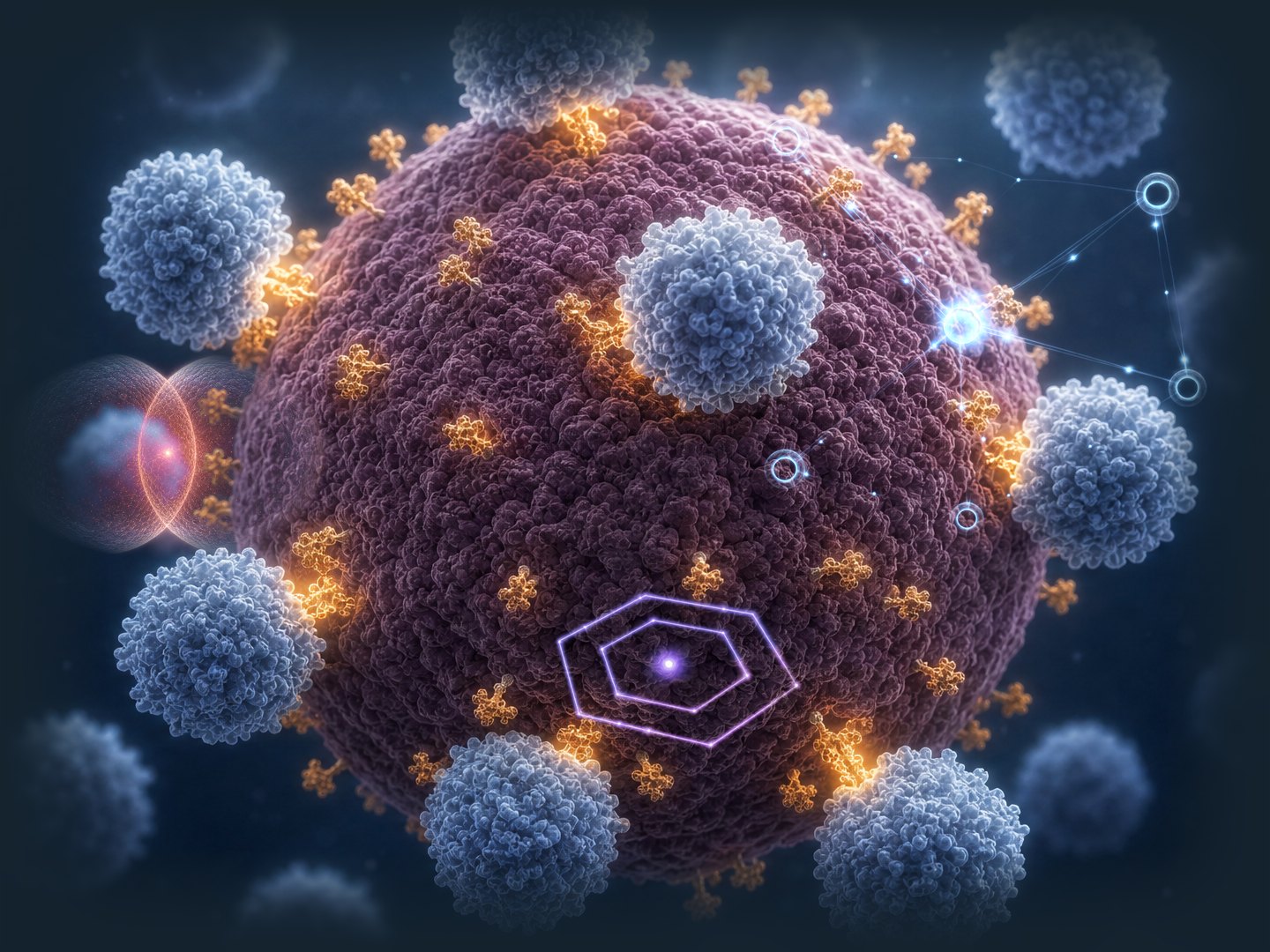
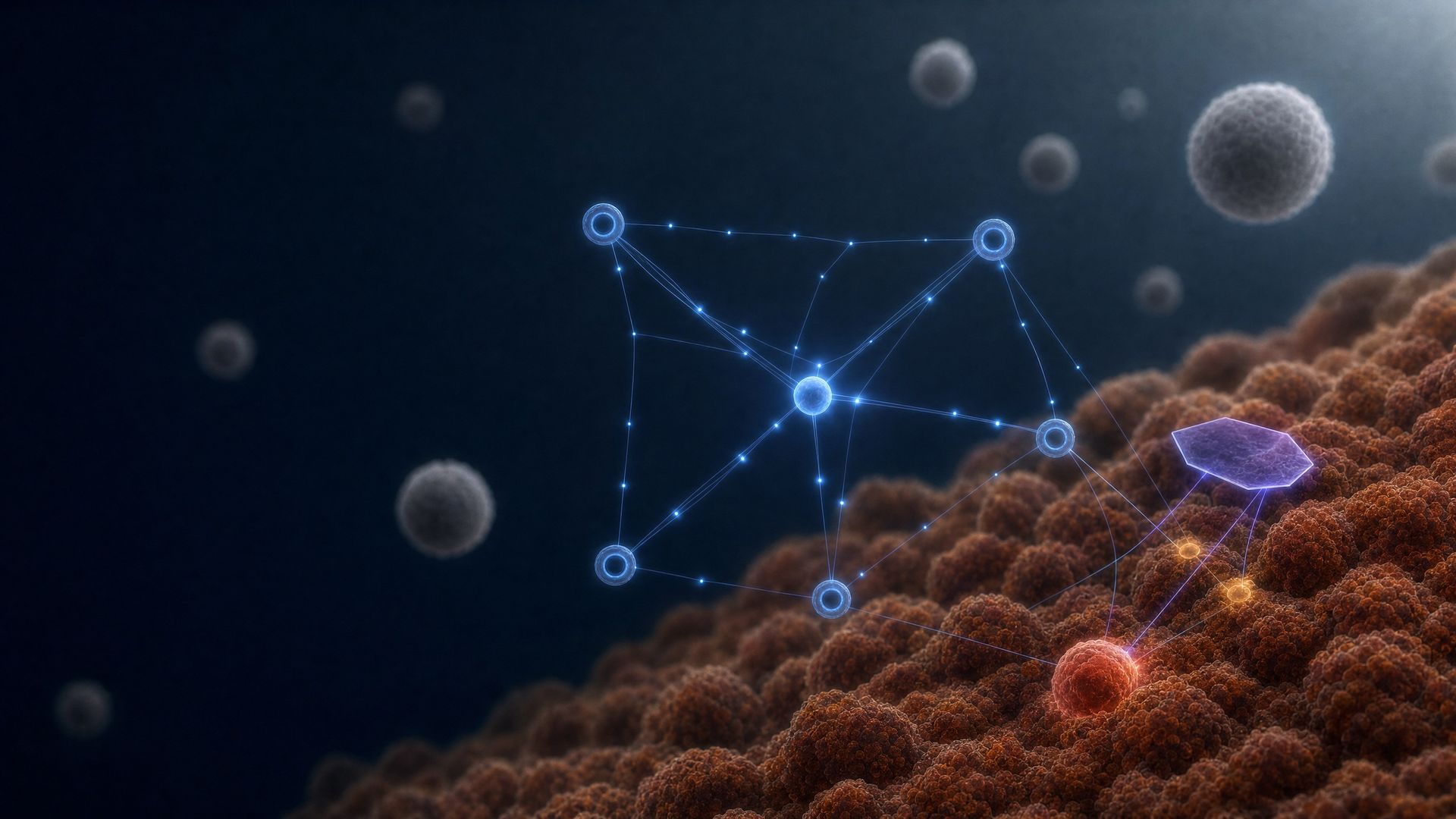
A tumor cell carrying all four LurexBio layers: NeoTag signals, an Atraxis vesicle fusing at the membrane, an AegisCore control field and the StratIQ decision network.

System integration

StratIQ™

Coordinated multi-component designs, sequential and combinatorial deployment, and integration with existing modalities.

Control layer

AegisCore™

Contextual activation, temporal control, safety gating, and multi-factor authorization.

Illustration is conceptual.

Defensible by design.

Intentional overlap

Replicating the full platform would require navigating multiple independent patent domains at once, combined with trade secrets covering configuration and optimization.

A staged international filing strategy.

Each filing group is anchored to its earliest priority provisional and organized around a distinct inventive plane, designed to preserve priority dates and secure protection across every plane.

3 of 4PCT filing groups filed
PCT 1

Atraxis™

Delivery mechanics: vesicle fusion and surface installation.

FiledJune 24, 2026
PCT 2

NeoTag™

Immune identity: signal design, selection, and presentation.

FiledJuly 20, 2026
PCT 3

AegisCore™

Authorization logic: contextual activation and safety gating.

FiledSeptember 7, 2026
PCT 4

StratIQ™

Advanced architectures: system-level coordination.

In preparationTarget December 19, 2026

Foundations in place

  • Priority established

    June 24, 2025

    Controlling priority date set by the first provisional filing.

  • Provisional portfolio

    27 applications

    Filed across 13+ distinct inventive embodiments.

  • Claims matrix v2

    December 2025

    Claims consolidated with counsel, adding fallback and defensive positions.

  • International filing package

    May 2026

    ePCT setup, declarations, and assignments finalized.

Next: national and regional phase entries, within 30 months of each priority date.

Filing status reflects the company’s staged 2026 plan. Patent applications are pending; no patents have been granted.

Patent prosecution

Drafting and prosecution of every filing, managed by Hayes Soloway P.C.

Claims strategy

A consolidated claims matrix with fallback and defensive catch-all positions.

Priority management

Each filing group anchored to its earliest priority provisional.

International filings

Four PCT filing groups staged across 2026, with U.S. non-provisional conversions.

Patent counsel of record

Prosecution led by specialist counsel.

Patent prosecution is managed by Hayes Soloway P.C., a nationally recognized biotechnology patent firm, with Nick Soloway, Esq. leading prosecution. Their oversight reinforces the rigor behind the platform.

“IP protects design architecture and inventive concepts, independent of validation status.”

LurexBio intellectual property framework
Visit Hayes Soloway

Key areas of coverage

  • Coverage of the core components that make up the recognition engineering platform: the NeoTag™ signal, the Atraxis™ delivery architecture, and the AegisCore™ and StratIQ™ control layers.

  • How the platform is designed to be applied, including installation and recognition methods.

  • Approaches to producing and formulating platform components.

  • Use alongside existing and emerging immunotherapy modalities, including checkpoint inhibitors, T-cell engagers, and cell therapies.

  • Applications across immune-cold indications, beginning with MSS colorectal cancer and pancreatic cancer.

Questions about partnering or licensing? Contact us
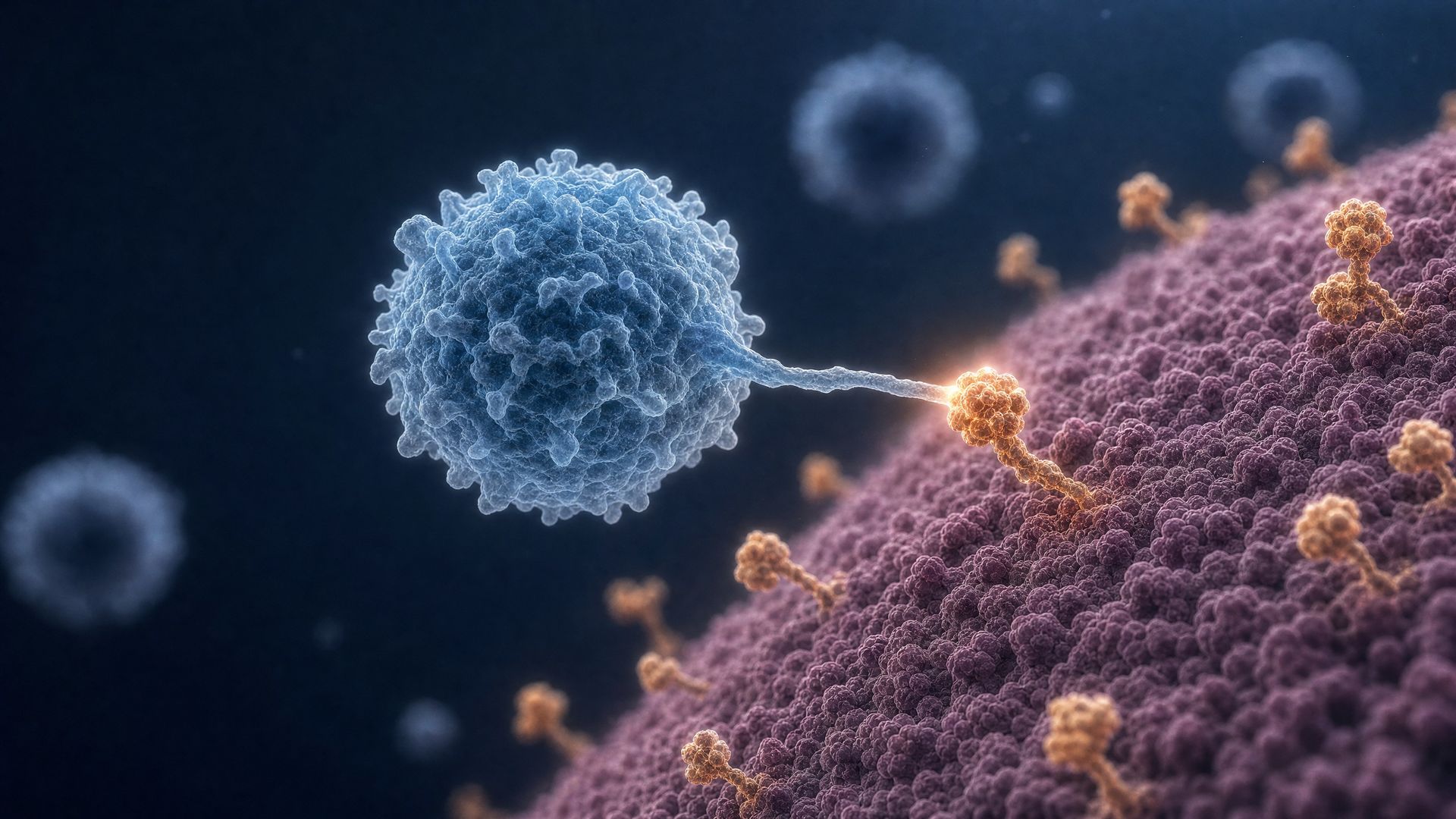
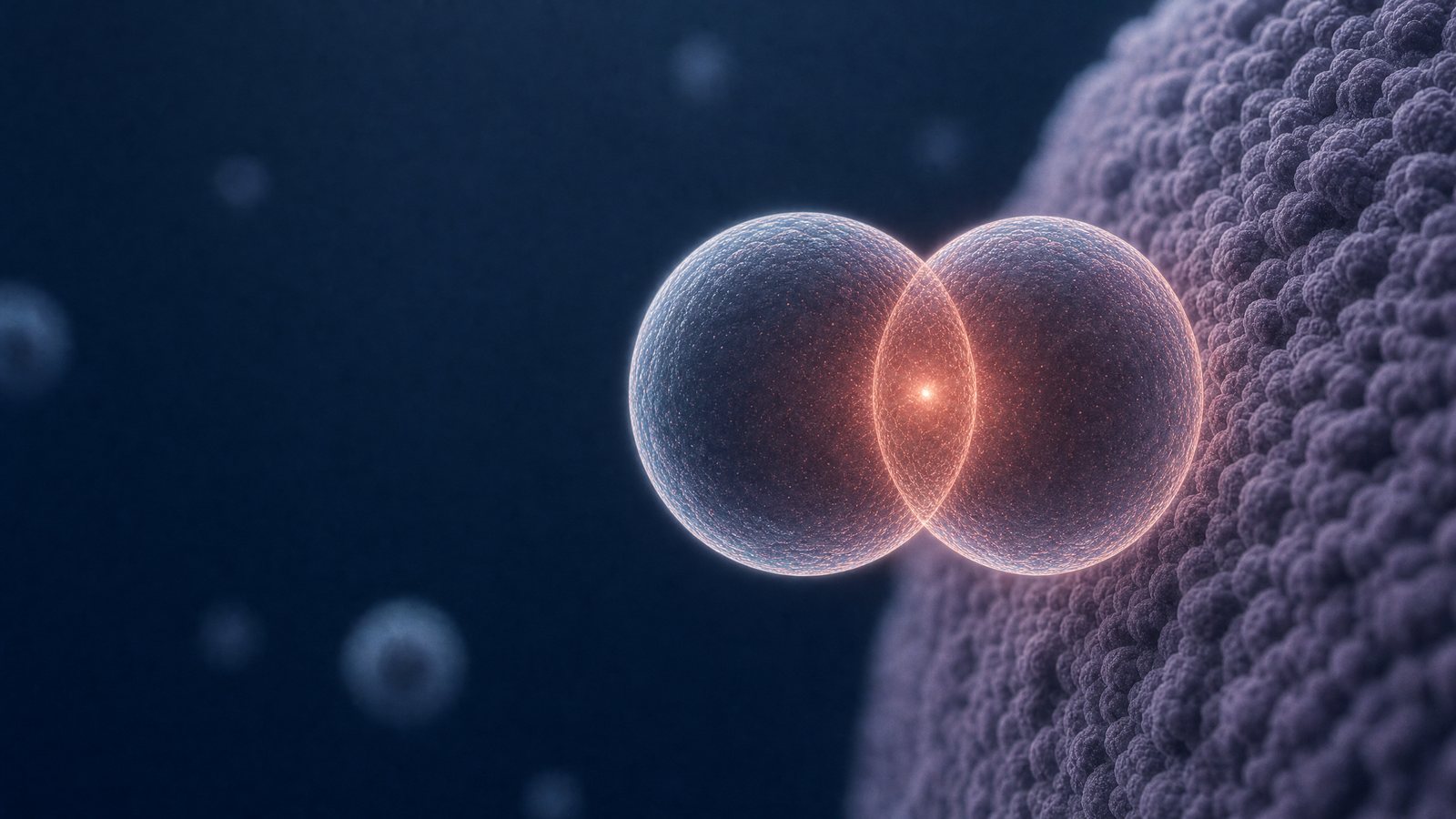
The four platform layers working together at the tumor surfaceA T cell recognizing an installed marker on the tumor surfaceLaboratory formulation work with petri dishes and a dropperA delivery vesicle fusing with the tumor membraneA patient resting in a hospital bedPlatform composition
Recognition first - Amplification second -
Non-genetic - Non-viral -

Protecting the work.

Each platform component receives independent intellectual property protection, building a defensible estate around the delivery platform, the immune flag, and the methods that connect them.