Immunotherapy has transformed cancer care. Yet for many patients with solid tumors, today’s approaches stall before they start. At LurexBio, we believe the reason is often not a lack of immune strength. It is a lack of recognition.
“The immune system isn’t weak. In many solid tumors, it’s blind.”
Checkpoint inhibitors, cell therapies, and vaccines are designed to amplify or redirect an immune response that already exists. In immune-cold tumors, that response never begins, so there is nothing to amplify.
Immune-cold tumors tend to have few tumor-infiltrating lymphocytes, impaired antigen presentation, and weak immune signaling. Without sufficient cues, the immune system cannot identify them as a threat.
Recognition first. Amplification second.
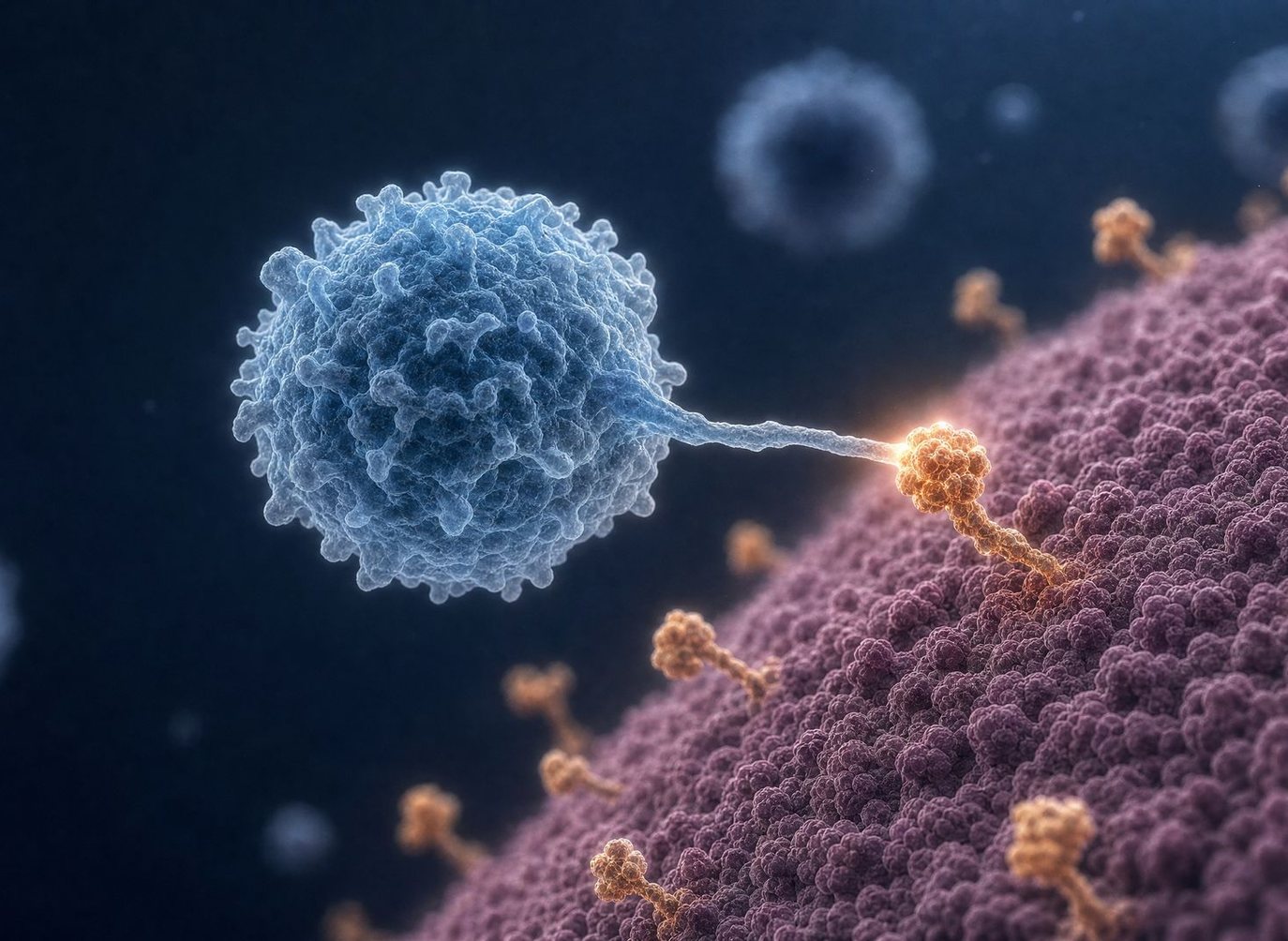
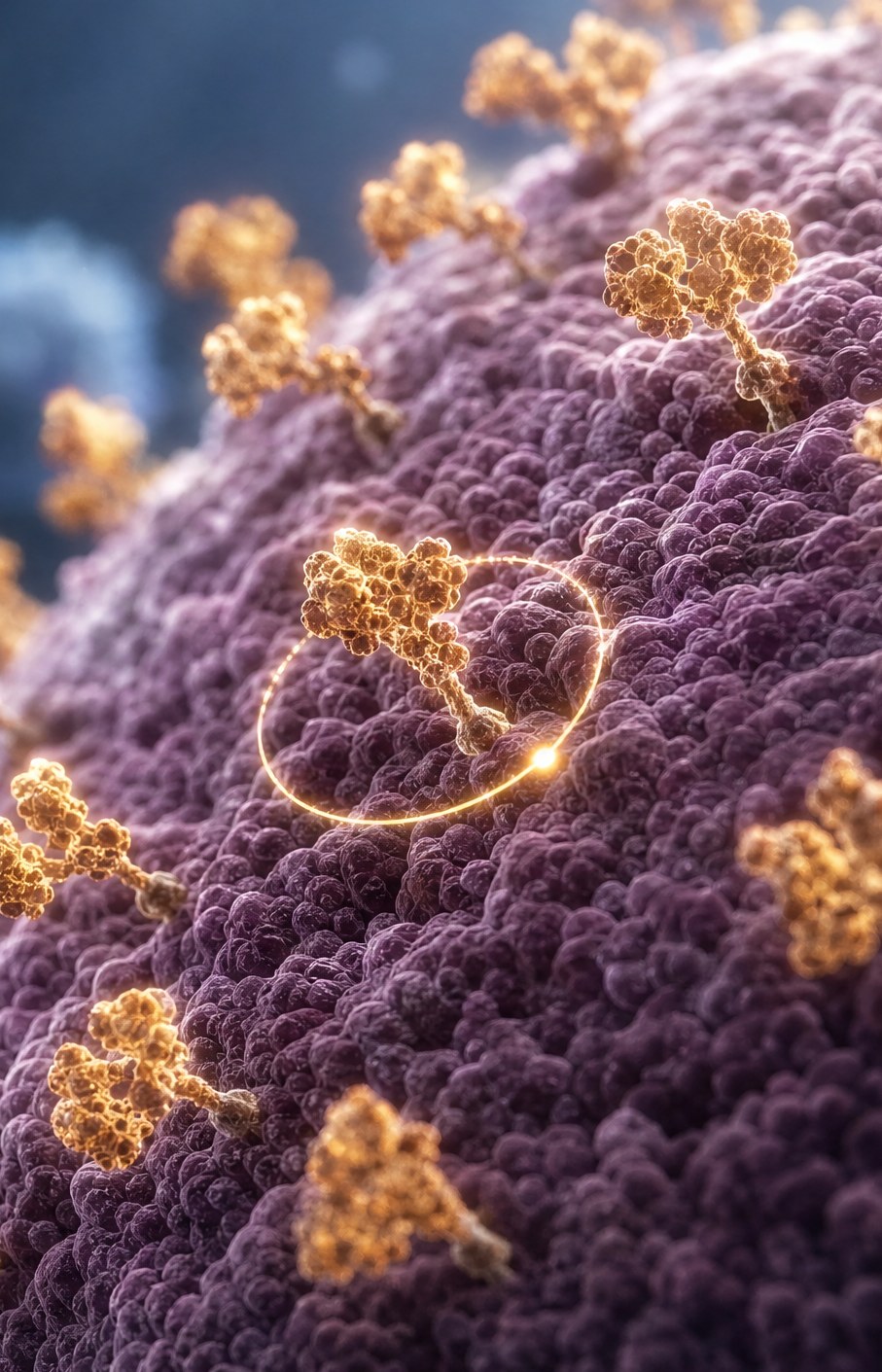
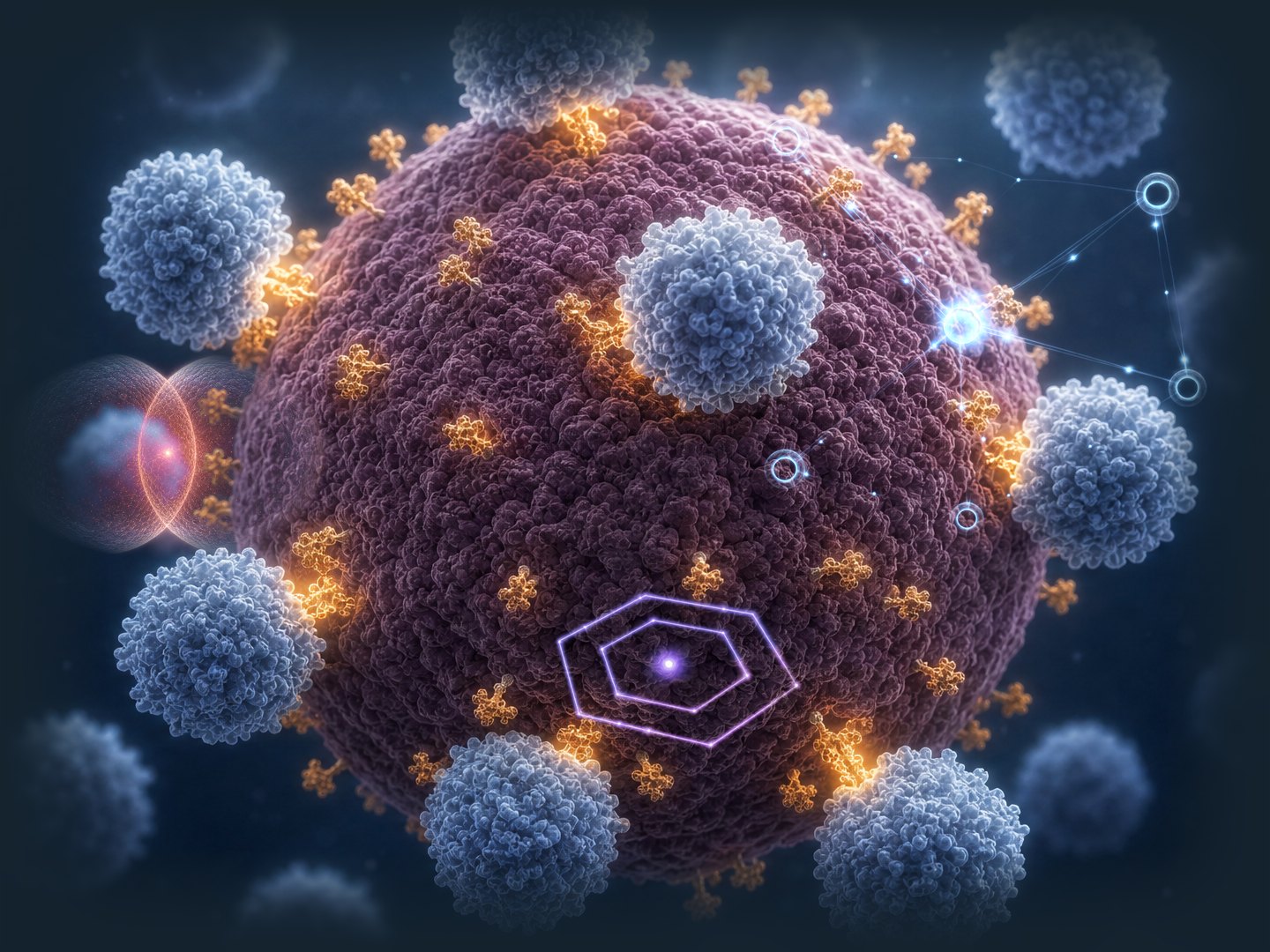
Our platform is designed to work upstream, at the recognition step other therapies depend on. The idea is to install a marker the immune system already recognizes directly on the tumor surface, using a non-genetic, non-viral approach.
* NeoTag™ is designed to provide the recognizable signal. Atraxis™ is designed to deliver it to the tumor membrane.
* AegisCore™ is designed to govern when and where the platform acts, while StratIQ™ coordinates the system.
We are starting with two of the hardest settings: microsatellite-stable colorectal cancer and pancreatic ductal adenocarcinoma, both with significant unmet need.
What comes next
We are focused on generating rigorous, scientifically defensible preclinical evidence to evaluate the platform and inform future development decisions.
LurexBio is a preclinical-stage company. Platform descriptions reflect design intentions and scientific hypotheses, not demonstrated results.