The immune system can’t fight what it can’t see.
Immune-cold tumors are characterized by few tumor-infiltrating lymphocytes, impaired antigen presentation, and weak immune signaling. Without sufficient cues, the immune system cannot identify them, and existing immunotherapies have no functional target to act on.
Explore the platform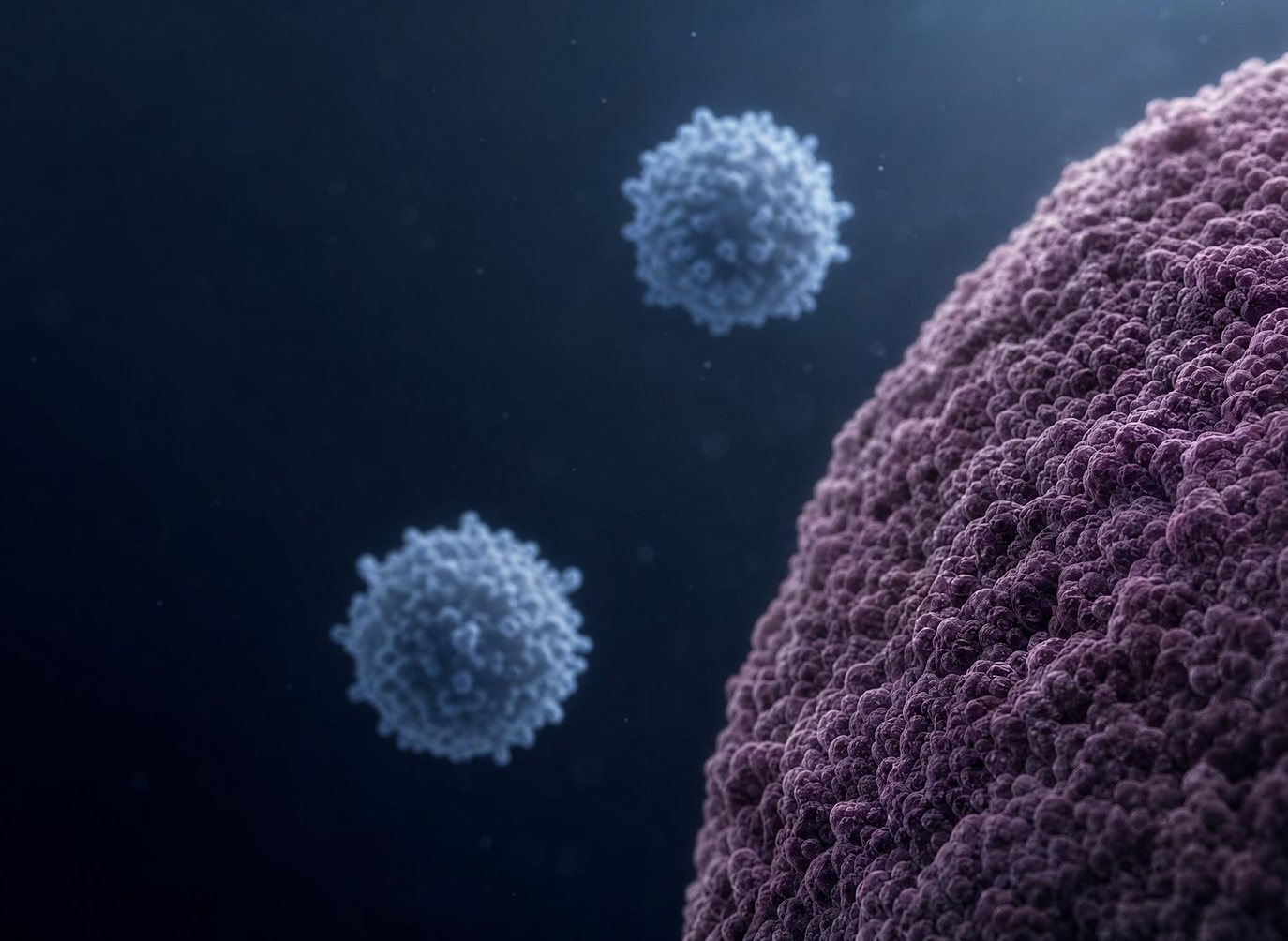
Most therapies work downstream of recognition.
Checkpoint inhibitors, cell therapies, and vaccines are designed to strengthen or redirect an immune response that already exists. In many solid tumors, the core limitation is upstream: the immune system cannot respond to what it cannot recognize.
Explore the platform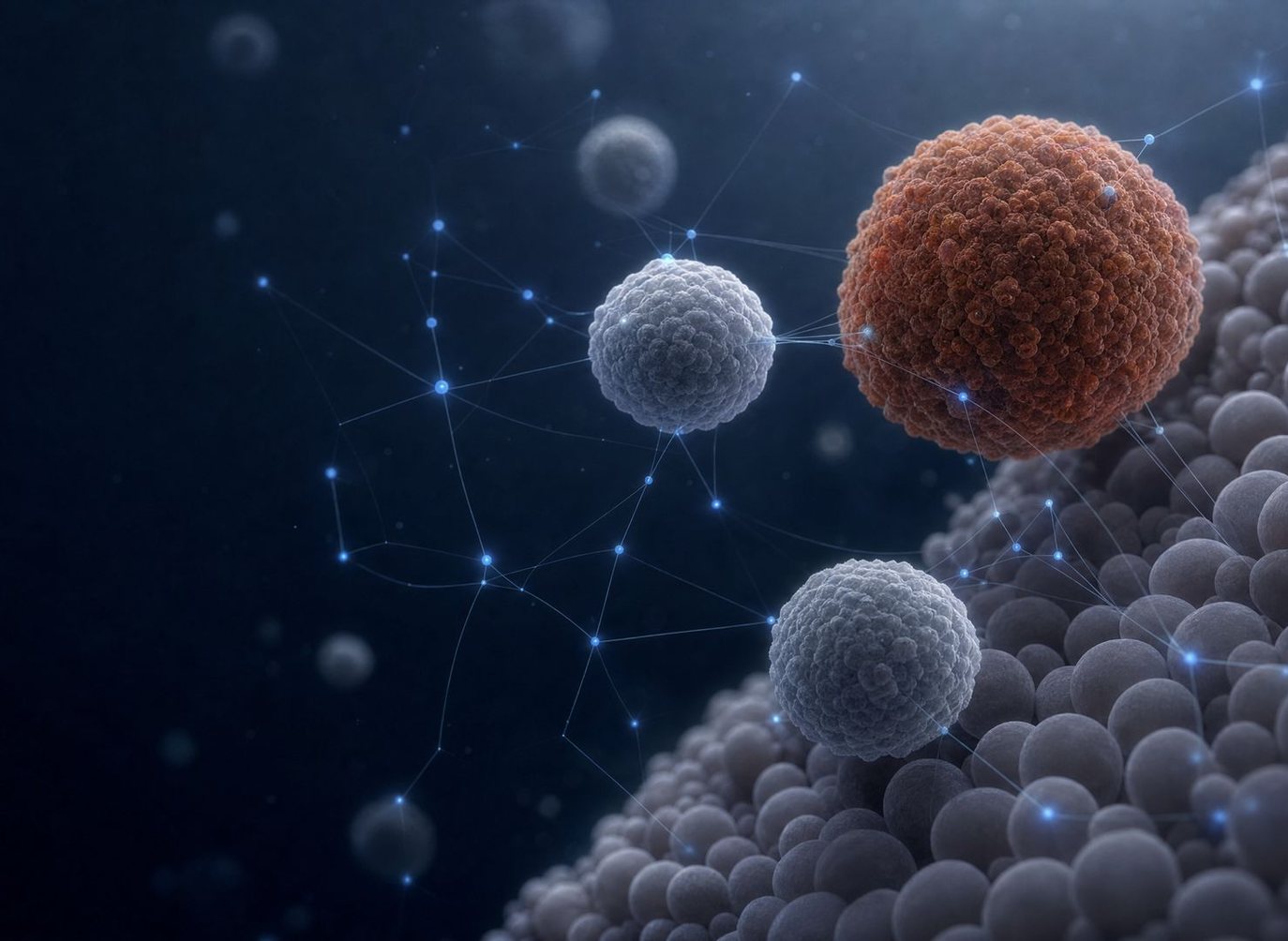
Recognition first. Amplification second.
Other immunotherapies make the immune system’s attack stronger, but that only helps if the tumor has already been spotted. LurexBio is designed to address that first step by placing a marker the immune system already recognizes directly on the tumor surface.
Explore the platform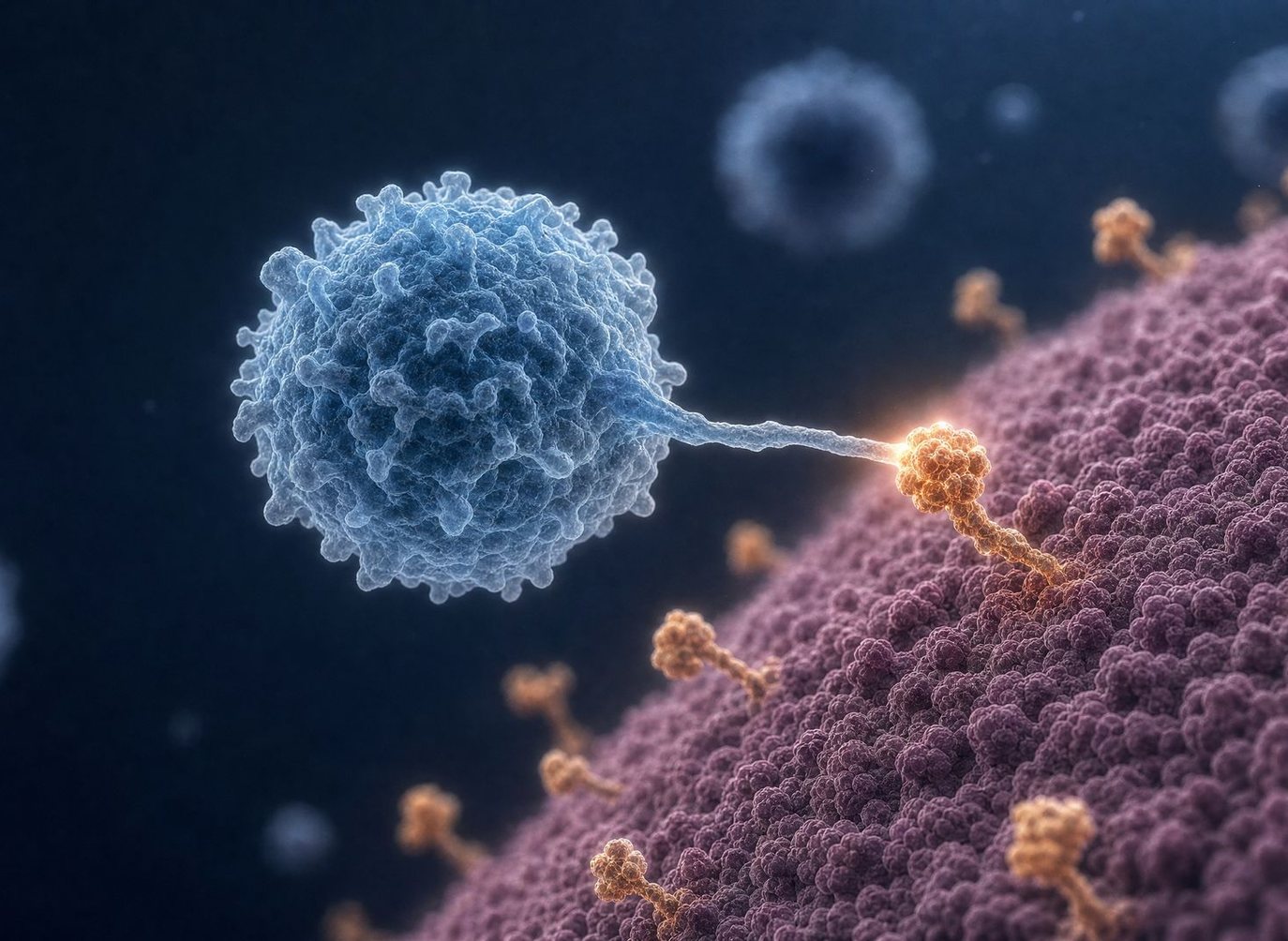
Recognition, engineered in three steps.
Install the signal with NeoTag™. Deliver it cleanly with Atraxis™, with no genetic editing and no viral vectors. Govern the response with AegisCore™, coordinated by StratIQ™.
Explore the platform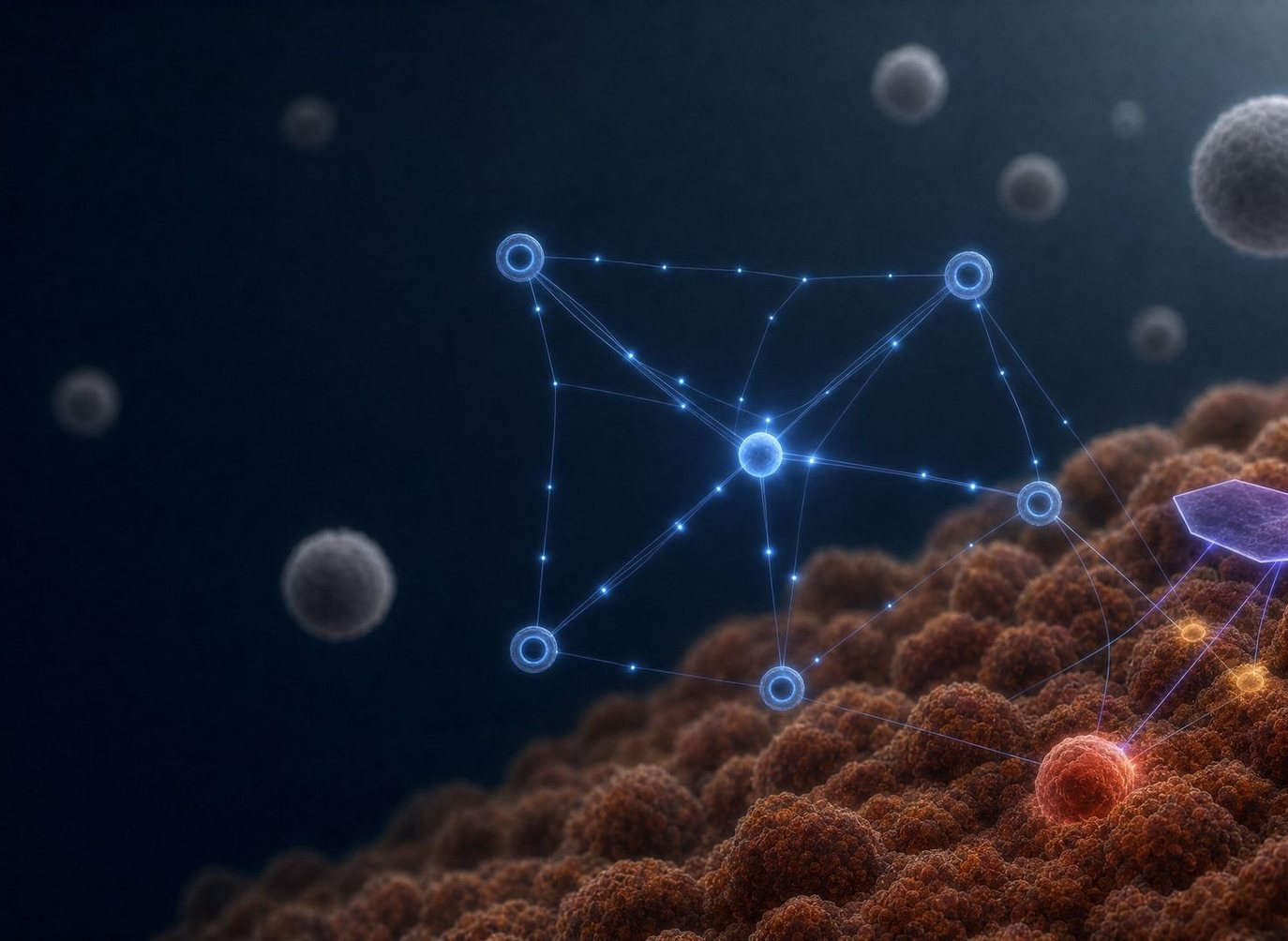
Four platforms · one operating system
The result, by design.
How NeoTag™, Atraxis™, AegisCore™ and StratIQ™ work in sequence.
- 01NeoTag™ · Signal
- 02Atraxis™ · Delivery
- 03AegisCore™ · Control
- 04StratIQ™ · Decision
- 05The result
"/%3E%3Ccircle cx="28" cy="28" r="2.6" fill="%23E0A23C" stroke="none"/%3E%3Ccircle cx="38.6" cy="17.4" r="3" fill="%23E0A23C" stroke="none"/%3E%3C/svg%3E)
Signal layer · NeoTag™
Install the signal
NeoTag™ is designed to place a marker the immune system already recognizes directly on the tumor surface, without editing the tumor genome.

Delivery layer · Atraxis™
Deliver it cleanly
Atraxis™ lipid vesicles are designed to carry that signal to the tumor and fuse with its membrane, with no genetic editing and no viral vectors.

Control layer · AegisCore™
Govern the response
AegisCore™ is designed to sense its surroundings, allow delivery only when the right conditions are met, and keep activity contained to the tumor region.

Decision layer · StratIQ™
Coordinate the system
StratIQ™ is designed to read the tumor environment and link NeoTag™, Atraxis™ and AegisCore™ so each layer acts in step with the others.
" stroke="%23E0A23C"%3E%3Ccircle cx="28" cy="28" r="15"/%3E%3Cellipse cx="28" cy="28" rx="15" ry="5.5" transform="rotate(35 28 28)"/%3E%3Ccircle cx="28" cy="28" r="2.6" fill="%23E0A23C" stroke="none"/%3E%3Ccircle cx="38.6" cy="17.4" r="3" fill="%23E0A23C" stroke="none"/%3E%3C/g%3E%3Cg transform="translate(52 0)" stroke="%23DC6A4E"%3E%3Ccircle cx="22" cy="28" r="13"/%3E%3Ccircle cx="34" cy="28" r="13"/%3E%3Ccircle cx="28" cy="28" r="2.6" fill="%23DC6A4E" stroke="none"/%3E%3C/g%3E%3Cg transform="translate(104 0)" stroke="%238373DC"%3E%3Cpath d="M28.0 12.0 L41.86 20.0 L41.86 36.0 L28.0 44.0 L14.14 36.0 L14.14 20.0 Z"/%3E%3Cpath d="M28.0 20.8 L34.24 24.4 L34.24 31.6 L28.0 35.2 L21.76 31.6 L21.76 24.4 Z"/%3E%3Ccircle cx="28" cy="28" r="1.8" fill="%238373DC" stroke="none"/%3E%3C/g%3E%3Cg transform="translate(156 0)" stroke="%234C8BD6"%3E%3Cpath d="M26.79 15.41 L15.21 38.59"/%3E%3Cpath d="M16.7 41.0 L39.3 41.0"/%3E%3Cpath d="M40.79 38.59 L29.21 15.41"/%3E%3Cpath d="M28.0 27.0 L28.0 15.7"/%3E%3Cpath d="M25.64 31.85 L16.12 39.33"/%3E%3Cpath d="M30.36 31.85 L39.88 39.33"/%3E%3Ccircle cx="28" cy="13" r="2.7"/%3E%3Ccircle cx="14" cy="41" r="2.7"/%3E%3Ccircle cx="42" cy="41" r="2.7"/%3E%3Ccircle cx="28" cy="30" r="3" fill="%234C8BD6" stroke="none"/%3E%3C/g%3E%3C/svg%3E)
Working in concert
A tumor the immune system can see
A once-invisible tumor cell the immune system can read as a threat: visible to existing T-cell and NK-cell pathways, and designed to be compatible with the immunotherapies patients already receive. Validation is the goal of our preclinical work.
Illustrations are conceptual.